
What Is CNC Machining? How Precision Manufacturing Supports Scalable Production
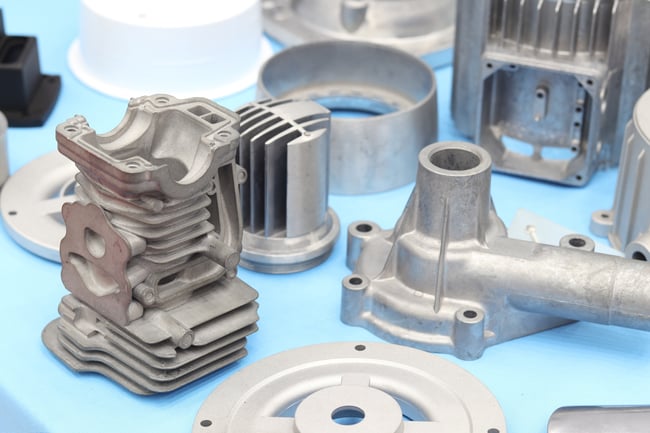
Why is Die Casting Indispensable In Modern Manufacturing?
When manufacturers evaluate their processes and partners, it normally comes down to what they need and whether a process aligns with those requirements. If it does, they move forward. In essence, it's about finding a process and partner that can support your manufacturing requirements, production volume, cost targets, and long-term scalability without creating unnecessary complexity later on.
For many manufacturers, that decision becomes even more important as project volumes increase, creating a greater demand for accurate and repeatable production. A part that works well in small quantities may become difficult, expensive, or inconsistent to manufacture as demand grows. This is where process selection becomes crucial, as it can directly impact timelines, quality, and overall production efficiency.
On that note, die casting is often one of the most effective solutions for producing precise, durable metal components at scale. When the application calls for repeatability, dimensional consistency, complex shapes, and long-term cost efficiency, die casting can provide a strong balance between performance and production efficiency.
However, die casting might not be a good fit for your manufacturing process, application, or design. That's why having the right manufacturing partner to guide you in evaluating whether the process makes sense before major production decisions is crucial in today's manufacturing environment. Understanding what die casting is, when it works best, and how it fits into a broader manufacturing strategy can help you make better decisions earlier in the process and avoid costly adjustments later.
What Is Die Casting?
Die casting is a metal manufacturing process used to produce precise, repeatable parts by forcing molten metal into a custom steel mold, known as a die. Once the metal cools and solidifies, the finished part is removed from the die and may undergo trimming, machining, finishing, or additional inspection before final delivery.
The process is commonly used for high-volume metal components that require consistency across production runs. Because the same die is used repeatedly, die casting enables manufacturers to produce parts with stable dimensions, detailed features, and reliable repeatability from one cycle to the next.
Die casting is often used to manufacture components such as:
- Housings and enclosures
- Covers and brackets
- Mounting components
- Structural metal parts
- Industrial hardware
- Precision metal components used in larger assemblies
One of the biggest advantages of die casting is its ability to create complex shapes with strong repeatability while minimizing the need for extensive secondary operations. This makes it especially valuable for manufacturers that need to produce durable metal parts efficiently and consistently at scale.
How the Die Casting Process Works
1. Design Review and Manufacturability Evaluation
A manufacturer normally begins with a detailed review of the part design. This step is crucial because it helps determine whether die casting is the right fit based on part geometry, material requirements, tolerance expectations, surface finish needs, and production volume.
Evaluating these design considerations early can have a significant impact on related factors later in the process, such as tooling, cycle times, part consistency, and long-term cost efficiency. Likewise, working with a strong manufacturing partner can help identify potential challenges before tooling is created, reducing the risk of costly changes later on.
2. Tooling and Die Development
Once the design is approved, the die is created. The die serves as the mold that forms the part during production. Tooling is one of the most critical aspects of die casting because it directly influences part quality, repeatability, and overall production efficiency.
Although tooling requires an upfront investment, it can provide significant long-term value when production volumes justify the cost. For the right application, this investment helps create a more efficient, repeatable, and scalable manufacturing process over time.
3. Material Selection
Material selection depends on the part's performance requirements, including strength, weight, corrosion resistance, thermal properties, and the intended operating environment. Die casting is commonly used with non-ferrous metals such as aluminum, zinc, and magnesium alloys.
Choosing the right material helps ensure the finished component meets performance expectations while supporting efficient and reliable production.
4. Melting and Injection
During production, the selected metal is melted and injected into the die under pressure. This allows the molten metal to fully fill the cavity and capture the desired part geometry.
The controlled injection process and repeatable die design allow manufacturers to produce consistent components across large production runs.
5. Cooling, Ejection, and Trimming
Once the metal solidifies, the part is ejected from the die. Excess material from gates, runners, or flash is trimmed away, and the part may be sent for additional processing depending on the application.
This stage prepares the component for secondary operations, finishing, inspection, or assembly.
6. Secondary Machining and Finishing
Although die casting can produce near-net-shape parts, some applications may still require secondary machining to achieve tighter tolerances, threaded features, critical surfaces, or specific assembly requirements.
Finishing processes may also be applied to enhance durability, corrosion resistance, appearance, or overall performance. Depending on the project, this may include powder coating, plating, painting, or other finishing methods.
7. Inspection and Quality Control
Finished parts are inspected to verify they meet dimensional, functional, and quality requirements. Strong quality systems are especially important in die casting because consistency across production runs is one of the process's greatest advantages.
When quality control is integrated throughout the production process, manufacturers can reduce defects, improve consistency, and ensure parts perform as intended.
When Does Die Casting Make Sense?
Now let's take a closer look at why die casting is worth considering. Die casting is often a strong fit for manufacturing projects requiring durable metal parts produced consistently at scale. More specifically, it is commonly considered when production requirements include:
- High production volumes
- Repeatable part quality
- Durable metal components
- Complex geometries
- Consistent dimensions across production runs
- Long-term cost efficiency
- Reduced need for extensive secondary operations
Unlike other manufacturing processes that may be better suited for low-volume production or frequently changing designs, die casting becomes more valuable when the part design is stable, and production volumes are high enough to justify the tooling investment.
As a result, the process is commonly used when manufacturers need to transition from short-term production needs to a more scalable, repeatable, and long-term manufacturing strategy.
When Die Casting May Not Be the Right Fit
As we've covered throughout this article, die casting is a powerful manufacturing process when it aligns with a project's needs. However, it is not always the best option, especially when one or more of the following factors are present:
- Production volumes are very low
- The design is still changing frequently
- Tooling costs cannot be justified
- The part requires materials that are not well-suited for die casting
- The geometry creates challenges around wall thickness, draft, or ejection
- Extremely tight tolerances are required across all features without secondary machining
Design Considerations for Die Casting
Design plays a major role in how efficiently and consistently a die cast part can be produced. Even when die casting is the right general process, small design decisions can impact tooling complexity, cycle time, quality, and cost. Factors such as consistent wall thickness, proper draft angles, ribs, structural features, fillets, and rounded corners should be evaluated early to support material flow, cooling, part stability, strength, and easier ejection from the die.
Manufacturers should also account for secondary machining allowances and surface finish requirements before production begins. Some features may still require CNC machining after casting, especially when tighter tolerances, threads, or precision surfaces are needed. Depending on the application, parts may also require additional finishing, coating, or cosmetic considerations. By addressing these factors early, manufacturers can improve production efficiency, reduce rework, and create a more reliable path from design to full-scale production.
Applications of Die Casting
Die casting is widely used in various industries because it produces high-quality, precise, and durable parts. Some of the key applications of die casting include:
Automotive Industry: Die casting is essential in manufacturing engine components, transmission cases, and structural parts that require high strength and precision. The process enables the production of lightweight parts, thereby improving fuel efficiency and performance.
Consumer Electronics: The die casting process creates housings, connectors, and other intricate components for consumer electronics. Its ability to produce parts with fine details and excellent surface finishes makes die casting ideal for this industry.
Aerospace Industry: Die casting is used in the aerospace sector to produce lightweight, high-strength components that meet stringent standards. Parts such as brackets, housings, and structural components benefit from die casting’s precision and durability.
Industrial Equipment: Die casting is also used to produce various industrial equipment and machinery parts. The process ensures that these parts are robust, reliable, and capable of withstanding harsh operating conditions.
Die casting’s versatility and efficiency make it a preferred choice for a wide range of applications across different industries.
Why the Right Manufacturing Partner Matters
The most important factor in a successful die casting project is having the right process, communication, engineering support, and production structure in place. Many manufacturing challenges begin long before production starts. If design requirements, tooling expectations, material considerations, and finishing needs are not properly evaluated up front, these gaps can lead to delays, added costs, quality issues, or unexpected changes later in the process. This is especially true in die casting, where early decisions can directly impact tooling investments, production efficiency, and long-term project success.
Because tooling is one of the most significant investments in the die casting process, changes become more costly and time-consuming once production moves forward. That's why choosing the right manufacturing partner is so important. A strong partner can help determine whether die casting is the right fit, identify opportunities to improve manufacturability, select the most appropriate material, evaluate machining and finishing requirements, and develop a production plan that supports long-term scalability. The earlier these conversations take place, the easier it becomes to make informed decisions, reduce risk, and build a stronger foundation for production.
The Role of Integrated Manufacturing in Die Casting
Die casting rarely exists as a standalone process. Many projects require additional operations after casting, including CNC machining, finishing, coating, inspection, and assembly support. When these services are managed across multiple vendors, projects can become more difficult to coordinate, leading to communication gaps, longer timelines, and reduced visibility throughout the production process.
Integrated manufacturing helps reduce that complexity by keeping critical stages of production connected. When casting, machining, finishing, and quality control are aligned within a single manufacturing ecosystem, manufacturers benefit from stronger communication, improved oversight, and a more predictable path from raw material to finished component. For companies evaluating long-term production partners, this level of integration can simplify project management, reduce the burden on internal teams, and create a more efficient and scalable manufacturing process from start to finish.
Ready to Explore Die Casting for Your Next Project?
Die casting remains one of the most dependable manufacturing processes for producing precise, durable metal components at scale. When an application requires repeatability, long-term cost efficiency, and consistent production quality, die casting can offer significant advantages. However, achieving the best results starts with understanding when the process is the right fit and working with a manufacturing partner that can evaluate the complete picture, from design and tooling to material selection, secondary operations, finishing, and quality control.
At SWARCO McCain, we support customers with an integrated manufacturing approach that combines die casting, CNC machining, sheet metal fabrication, powder coating, and other value-added services under one roof. Backed by ISO-certified quality systems, experienced production teams, nearshore operations in Tijuana, Mexico, and U.S.-based engineering and account support, we help manufacturers simplify production while maintaining visibility, consistency, and scalability throughout the process. Whether you are launching a new product, evaluating an existing component, or searching for a reliable long-term manufacturing partner, die casting may be the right solution to support your next stage of production.
Frequently Asked Questions
What is die casting used for?
Die casting is used to produce precise, repeatable metal components for applications that require durability, consistency, and scalable production. Common examples include housings, brackets, covers, structural components, industrial hardware, and parts used in larger assemblies.
What materials are commonly used in die casting?
Die casting commonly uses non-ferrous metals such as aluminum, zinc, and magnesium alloys. The right material depends on the part’s strength, weight, corrosion resistance, surface finish, and end-use requirements.
Is die casting good for high-volume production?
Yes. Die casting is especially well-suited for high-volume production because the same die can be used repeatedly to produce consistent parts. While tooling requires upfront investment, the process can become cost-efficient as production volumes increase.
Does die casting require secondary machining?
Some die-cast parts may require secondary machining, especially when tight tolerances, threaded features, precision surfaces, or assembly-critical dimensions are required. Planning for these requirements early helps improve production efficiency and final part quality.
How do I know if die casting is right for my project?
Die casting may be a strong fit if your project requires durable metal parts, repeatable quality, complex geometries, and scalable production volumes. The best way to determine fit is to evaluate the design, material, volume, tolerance needs, and long-term production goals with an experienced manufacturing partner.